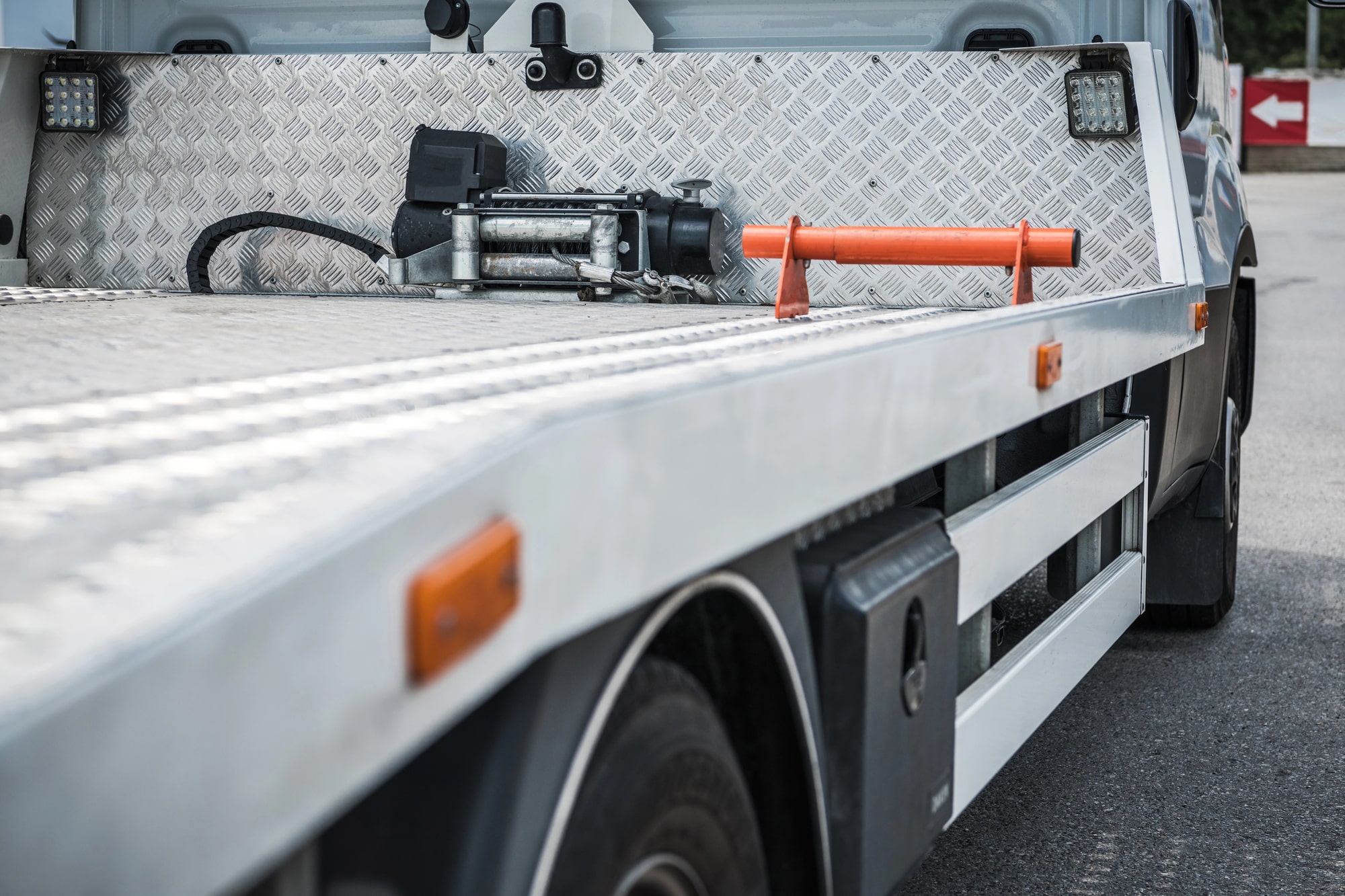
A newly introduced 2025 bill is drawing attention to how roadside towing and storage fees are handled after a crash in New York—especially when heavy trucks are involved. Known as 2025-A8858, the proposal would establish maximum rates for towing, recovery, and storage of vehicles outside New York City, including commercial trucks. While much of the public conversation around New York truck accident laws focuses on liability or insurance coverage, this bill zeroes in on the practical costs that immediately follow a crash and can create financial strain for owners, drivers, and insurance carriers.
Capping Towing And Storage Rates Outside New York City
The proposed legislation would require counties outside New York City to follow strict pricing limits on towing and storage services. This applies to everything from light-duty passenger cars to heavy-duty trucks. Critics argue that towing companies charge excessive or inconsistent rates when responding to crash scenes, especially when law enforcement dispatches them. In many cases, truck owners claim they have no choice in which company handles the tow and later receive steep invoices they must pay before retrieving their vehicle.
By setting standardized maximum fees, 2025-A8858 attempts to reduce inflated post-collision charges that can exceed several thousand dollars for a single heavy-vehicle recovery. For trucking companies and independent operators, these rates could reduce unexpected losses that occur immediately after a crash—before insurance claims are processed or liability is established.
How The Bill Could Impact Truck Accident Costs
Heavy-duty towing often involves specialized equipment, personnel, and techniques, especially when a truck tips, spills cargo, or blocks a major roadway. These situations usually come with costs far beyond ordinary towing. Under the proposed law, companies would still be allowed to charge more for these complex recoveries, but fees would have to be itemized and documented, reducing the risk of surprise charges. Insurance carriers may benefit from this regulation as well. Towing invoices are frequently disputed in commercial trucking claims, which delays payouts and prolongs the time a truck remains impounded. With set price limits and clearer billing standards, insurers may resolve claims faster, helping owners get their vehicles released sooner and back into service.
Legal And Industry Reactions
While many trucking and insurance groups support the bill, towing companies have expressed concern that capped fees may not reflect the true cost of heavy-duty recovery operations. They argue that price restrictions could limit their ability to maintain specialized equipment, hire trained staff, or respond to emergency scenes efficiently. Lawmakers, however, say the bill is not intended to undercut towing providers, but rather to prevent unfair billing practices that disproportionately affect crash victims and commercial fleets.
Get Guidance On Truck Crash Costs And Legal Options
Although the bill does not directly change liability rules, it reshapes the financial landscape surrounding crash response. Controlling post-accident fees can influence negotiations between insurers, trucking companies, and towing services. It also encourages transparency at a stage where owners often feel powerless because their vehicle has already been seized.
If 2025-A8858 is passed, it could change how trucking companies manage the aftermath of a collision, including the immediate expenses of getting a vehicle released. Staying informed is essential, and drivers, carriers, and fleet owners should understand how fee regulation may affect both insurance and business operations. For questions about towing disputes, truck crash liability, or evolving state regulations, contact Truck Law for up-to-date guidance. Protect your rights and your business by speaking with legal professionals who prioritize your financial and operational needs. Reach out to our professionals today to learn how upcoming regulations may impact your bottom line.